
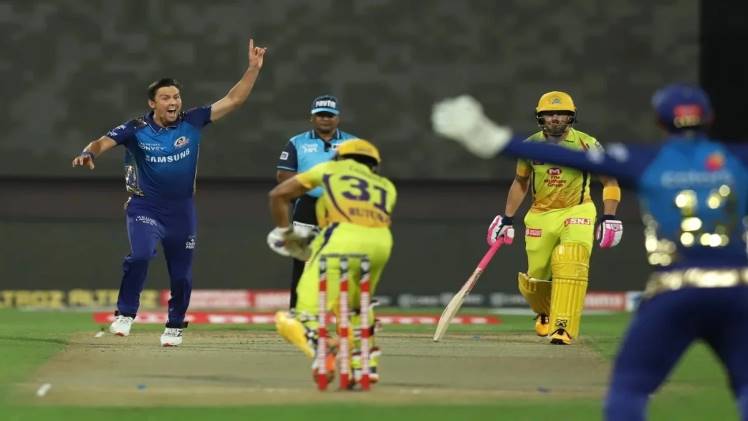
In limited-overs cricket, the concepts of “power play” and “fielding restrictions” shape how teams approach both batting and fielding, often leading to more aggressive play and higher scores. These rules are designed to maintain a balance between bat and ball by limiting the fielding team’s defensive options, especially in the early stages of an innings.
Power Play
The power play is a designated phase in an innings when fielding restrictions apply. It gives the batting side a better opportunity to score quickly, as fielders are restricted from placing too many players on the boundary. The power play is divided differently in One-Day Internationals (ODIs) and Twenty20 (T20) cricket:
- ODI Power Play: In 50-over ODIs, the power play is divided into three segments:
- First Power Play (Overs 1-10): Only two fielders are allowed outside the 30-yard circle, which encourages batsmen to take advantage of gaps in the field and score quickly.
- Second Power Play (Overs 11-40): Four fielders are allowed outside the circle, balancing aggressive fielding with some boundary protection.
- Third Power Play (Overs 41-50): Five fielders are allowed outside the circle, offering additional protection as the innings nears its end, where batsmen often try to hit boundaries more frequently.
- T20 Power Play: In the 20-over T20 format, the power play is shorter, covering the first six overs. During this period, only two fielders can be placed outside the 30-yard circle. This rule aims to provide a high-scoring opportunity in the early part of the game, encouraging more dynamic, aggressive batting.
Fielding Restrictions
Fielding restrictions are the specific limitations on where fielders can be placed during certain phases of the innings. These rules help prevent overly defensive strategies and ensure that teams cannot simply rely on boundary fielders to contain runs:
- During the power play, the fielding team can have only two players outside the 30-yard circle.
- Outside of power play-overs, a higher number of fielders can be positioned on the boundary to reduce scoring chances.
These fielding restrictions create strategic challenges for both teams. Batting teams typically aim to maximize scoring in the power play overs when boundaries are easier to achieve. The fielding team balances aggressive bowling with tactical fielding to take wickets or contain runs.
In summary, power play and fielding restriction drive the strategic aspects of limited-overs cricket. They boost scoring and excitement by limiting defensive play in the early overs. This setup increases scoring opportunities for batsmen and pressures bowlers to adapt their strategies, creating a dynamic, competitive environment in modern cricket formats.