
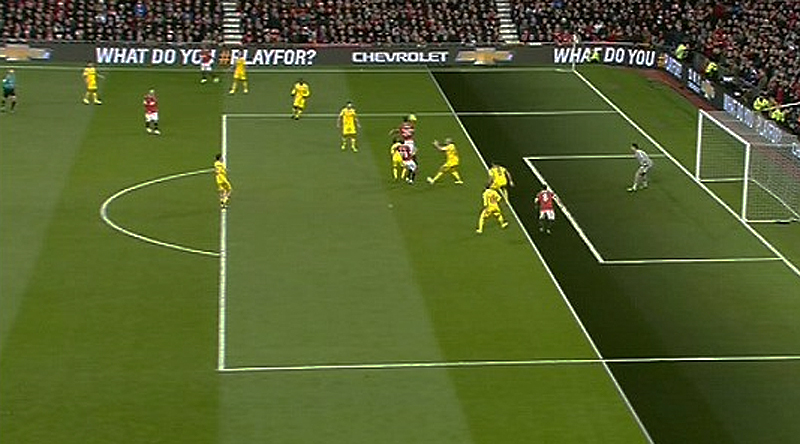
The offside rule is one of the most fundamental and strategic laws in football, governed by Law 11 of the Laws of the Game. A player is considered to be in an offside position if:
- Position: They are nearer to the opponent’s goal line than both the ball and the second-last opponent when the ball is played to them (usually the goalkeeper is the last opponent).
- Active Play: Being in an offside position is not an offense unless the player becomes involved in active play. This includes:
- Interfering with an opponent (e.g., blocking their vision or movement).
- Gaining an advantage from being in the offside position (e.g., playing a rebounded ball).
A player is not offside if:
- They are in their own half.
- They are level with the second-last opponent or the ball.
- They receive the ball directly from a goal kick, throw-in, or corner kick.
How Does the Offside Rule Affect a Team’s Attacking Strategy
The offside rule heavily influences how teams structure their attacks and defend against them. Here’s how it impacts attacking strategies:
1. Timing of Runs
- Effect: Attackers must time their forward runs perfectly to avoid being flagged offside.
- Strategic Implication: Teams train their forwards to sprint into space just as the ball is played, ensuring they stay level with or behind the second-last defender. Misjudging the timing can lead to a wasted opportunity.
2. Stretching the Defense
- Effect: By positioning attackers close to the defensive line, teams force defenders to play deeper, creating more space in midfield for playmakers.
- Strategic Implication: This creates opportunities for midfielders to dictate the play and thread through balls to the attackers.
3. Exploiting High Defensive Lines
- Effect: Some teams play with a high defensive line to trap attackers offside (known as the offside trap).
- Strategic Implication: Teams counter this by using quick, long passes or diagonal balls to bypass the defense. Fast strikers or wingers are particularly effective in such situations.
4. Creating Overlaps and Decoy Runs
- Effect: Decoy runs that deliberately pull defenders away from their line can create openings for teammates.
- Strategic Implication: Teams often use overlapping fullbacks or midfielders running from deep positions to bypass the offside rule, as defenders are drawn out of position.
5. Crosses and Cutbacks
- Effect: Attackers positioning themselves parallel to or slightly behind the defensive line can evade the offside rule when receiving crosses or cutbacks.
- Strategic Implication: Wingers aim to cross the ball early or deliver cutbacks to avoid offside situations, allowing attackers to finish without interruptions.
6. Maintaining Possession and Recycling Play
- Effect: If attackers can’t exploit space due to tight defensive marking, they often recycle the ball back to midfield or the wings.
- Strategic Implication: Teams work on patient build-up play to avoid offside while waiting for the perfect opportunity to breach the defense.
Summary
The offside rule adds a layer of strategy to football, making it crucial for attackers to master positioning and timing. For defenders, the rule provides a tactical weapon to control the opposition’s movement. Effective exploitation or defense of the offside rule can often decide the outcome of a match.