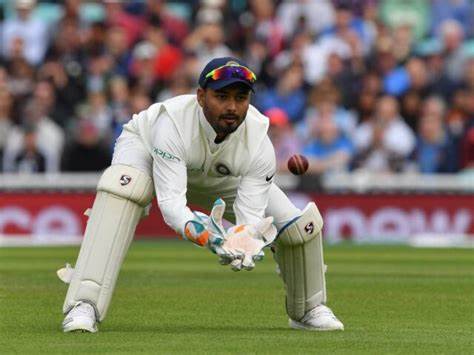
Improving reaction time and agility is crucial for wicketkeepers to excel. Here are some effective techniques for wicketkeepers to enhance reaction time and agility:
1. Reaction Time Training
- Ball Drop Drill: A coach or partner drops a ball from shoulder height, and the wicketkeeper has to catch it as soon as it bounces. This helps with quick hand-eye coordination.
- Colored Ball Toss: Use balls of different colors. The coach calls out a color, and the keeper has to catch only that ball among multiple tossed ones.
- Reaction Lights/Apps: Use reaction training tools like FitLight or mobile apps designed for reflex training. These tools improve visual processing speed.
- Partner Glove Drill: Stand 10 feet apart with a partner who throws balls at varying speeds and directions, requiring rapid response.
2. Agility Drills
- Ladder Drills: Perform footwork drills using an agility ladder to improve quick lateral movements.
- Side-to-Side Shuffles: Set up cones in a straight line. Shuffle sideways between them to mimic the movement behind the stumps.
- Shadow Keeping: Practice moving side-to-side in a wicketkeeping stance, imagining a ball’s trajectory.
3. Explosive Strength Exercises
- Box Jumps: Jump onto a sturdy box or platform to develop explosive power in your legs, crucial for diving and swift movements.
- Medicine Ball Throws: Toss a medicine ball against a wall or to a partner to improve upper body strength and reaction power.
4. Hand-Eye Coordination
- Tennis Ball Wall Drill: Throw a tennis ball against a wall and catch it after the rebound. Vary the speed and angles.
- Small Ball Catches: Practice catching with smaller balls (e.g., golf balls) to fine-tune reflexes.
5. Simulated Match Scenarios
- Deflection Drills: Have a coach or teammate deflect balls off the bat or a ramp at unpredictable angles to simulate real match conditions.
- Stumping Practice: Place bails on the stumps and practice removing them quickly with both hands.
6. Core and Flexibility Training
- Planks with Movement: Add side planks and arm movements to improve core stability, aiding quicker response to sudden movements.
- Dynamic Stretching: Regular stretching routines, particularly targeting the lower back, hamstrings, and hip flexors, improve flexibility and reduce injury risk.
7. Mental Training
- Visualization: Spend time visualizing match scenarios and anticipating where the ball might go.
- Mindfulness and Focus Drills: Practices like meditation can help maintain calmness and sharpen focus under pressure.
8. Nutrition and Recovery
- Proper Diet: Ensure a diet rich in proteins, healthy fats, and carbs to maintain energy and recovery.
- Adequate Rest: Sufficient sleep and recovery time are essential for peak physical and mental performance.
Incorporating these techniques into regular practice sessions will help wicketkeepers enhance their reaction time and agility, translating into better performances on the field.