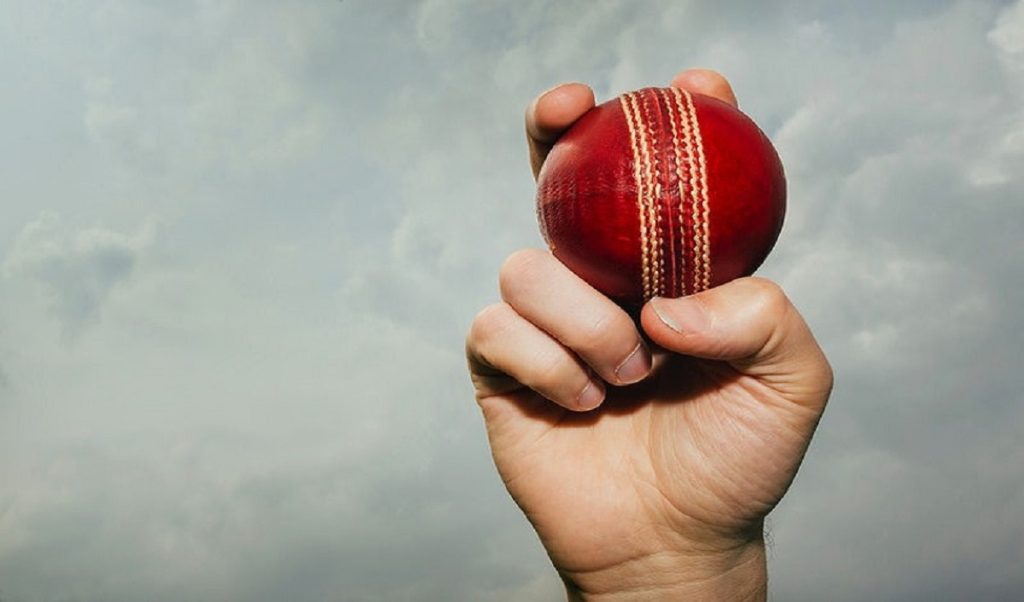
Reverse swing is a phenomenon in fast bowling, particularly in cricket, where the ball moves in the opposite direction to conventional swing. It usually occurs after 30-40 overs when one side of the ball is rough and the other is shiny.
How Reverse Swing Works:
- Condition of the Ball:
- Reverse swing occurs when one side of the ball is rough and the other side is shiny. The rough side creates turbulence in the air, while the smooth side allows laminar airflow.
- This imbalance in airflow around the ball causes it to move unpredictably.
- Reverse swing occurs when one side of the ball is rough and the other side is shiny. The rough side creates turbulence in the air, while the smooth side allows laminar airflow.
- Airflow and Aerodynamics:
- Conventional Swing: In conventional swing, the shiny side allows smooth airflow, causing the ball to move toward the rough side. The ball swings toward the direction the seam is pointing when positioned at an angle.
- Reverse Swing: When the ball is older the rough side becomes even rougher, and the shiny side remains smooth, airflow behaves differently. The ball begins to swing toward the shiny side rather than the rough side. The rough side creates more drag, causing the ball to swing the other way due to a reverse pressure gradient.
- Conventional Swing: In conventional swing, the shiny side allows smooth airflow, causing the ball to move toward the rough side. The ball swings toward the direction the seam is pointing when positioned at an angle.
- Speed:
- Reverse swing occurs predominantly when the ball is bowled at high speeds. At slower speeds, the ball behaves more predictably and swings conventionally. At higher speeds, reverse swing becomes more pronounced when the ball is bowled.
- Factors Influencing Reverse Swing:
- Seam Position: The position of the seam plays a crucial role. Bowlers usually bowl with a scrambled seam (not perfectly upright), which confuses the batsman, making the movement harder to predict.
- Grip and Release: Fast bowlers adjust their grip and release based on the shine and rough side of the ball to manipulate the swing.
- Seam Position: The position of the seam plays a crucial role. Bowlers usually bowl with a scrambled seam (not perfectly upright), which confuses the batsman, making the movement harder to predict.
Reverse swing is a fast-bowling technique in which an older, worn ball moves in the opposite direction to conventional swing, caused by uneven wear on its surface. Achieved at high speeds, it relies on the aerodynamic differences between the ball’s rough and shiny sides, making it harder for batsmen to predict. Mastery of reverse swing can be a game-changer, especially in the latter stages of a cricket match, offering bowlers a powerful tool for taking wickets.