
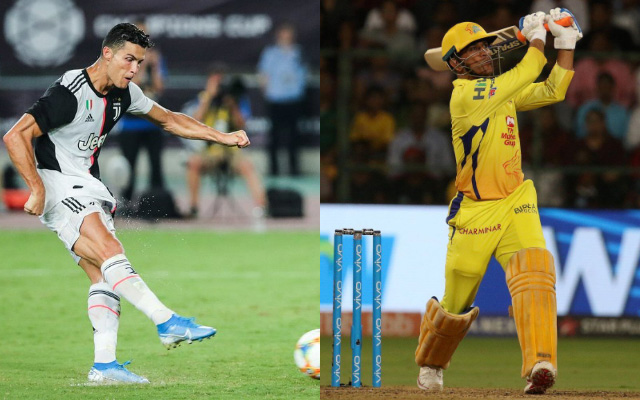
Introduction:
Sports have long been a foundation of mortal culture, serving as a source of entertainment, community, and competition. Among the myriads of sports, cricket & football (soccer) stand out for their rich histories and global entourages. This blog will claw into the fascinating elaboration of the rules governing cricket and football, tracing how these sports have converted over centuries from their early forms to the largely structured games we know moment.
The Early Days of Cricket:
Cricket’s origins can be traced back to the 16th century in England. The foremost known reference to the sport dates to a court case in 1597. Originally, cricket was a simple game played by children in the fields, involving rudimentary outfits and rules. The game saw significant elaboration in the 18th century when it became popular among grown-ups and gained a formal structure.
Crucial Changes in Early Cricket:
Pitch Length: Originally, there was no standardized length for the pitch. In 1744, the first written Laws of Cricket specified a pitch length of 22 yards, which remains unchanged to this day.
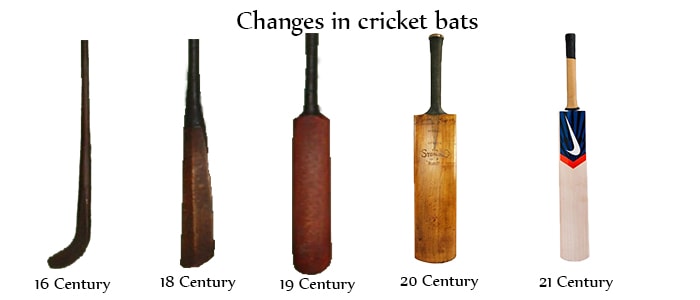
Ball and Bat: Early Cricket used a ball and bat of varying shapes and sizes. The ultramodern straight bat was introduced in the 18th century to offset the rising trend of pitched deliveries.
Wickets: Firstly, wickets were simple structures, frequently just two stumps. The preface of a third stump in the late 18th century made it harder for the batsman to defend.
Cricket’s Formalization and Modernization:
The 19th and 20th centuries were vital for cricket’s development, seeing the formalization of numerous rules and the preface of new formats.
Laws of Cricket: The Marylebone Cricket Club (MCC) took over the responsibility of maintaining the laws of justice in 1787, leading to further harmonious rule operation.
Overarm Bowling: Legalized in 1864, overarm bowling changed the dynamics of the game, leading to more aggressive and varied bowling ways.
Protective Gear: The introduction of pads and gloves in the 19th century and helmets in the 20th century bettered player safety.
Limited- Overs Formats: The late 20th century saw the rise of one-day internationals (ODIs) and Twenty20 (T20) cricket, bringing new strategies and a briskly pace to the game.
The Origins of Football:
Football’s history is inversely ancient, with roots tracing back to medieval Europe. Beforehand forms of the game were chaotic, with many standardized rules, frequently involving entire townlets and performing in violent hassles.
Crucial Milestones in Early Football:
Cambridge Rules (1848): These were among the first attempts to produce a unified set of rules, impacting posterior regulations.
Conformation of The Football Association (FA) (1863) The FA’s establishment marked a significant step in homogenizing football rules. The FA’s laws banned carrying the ball and introduced generalities like free kicks and throw-sways.
Football’s ultramodern period:
The 20th century witnessed football’s metamorphosis into a global miracle, with rules continually evolving to enhance the sport’s appeal and fairness.
FIFA and International Competitions innovated in 1904, FIFA formalized the rules for transnational matches, easing global competitions like the World Cup.
Offside Rule: The offside rule has experienced multitudinous variations to balance between defense and attack, most specially in 1925 and 1990.
Negotiations originally, no negotiations were allowed. This changed in the mid-20th century, and by the 1970s, politic negotiations became commonplace.
Technology: The 21st century has seen the preface of technologies like thing-line technology and the Video Assistant Referee (VAR) system, ensuring more accurate and fair officiating.
Conclusion:
The elaboration of cricket and football rules highlights the dynamic nature of sports, reflecting societal changes, technological advancements, and the nonstop hunt for fairness and excitement. From the informal games of yesterday to the strictly regulated matches of the moment, cricket and football have come a long way, captivating millions of fans around the world. As we enjoy these sports, it’s fascinating to consider their rich histories and the trips that have shaped them into the cherished games we know moment.





One thought on “Evolution of the Game: “From Wickets to Goals: Tracing the Evolution of Cricket and Football Rules””