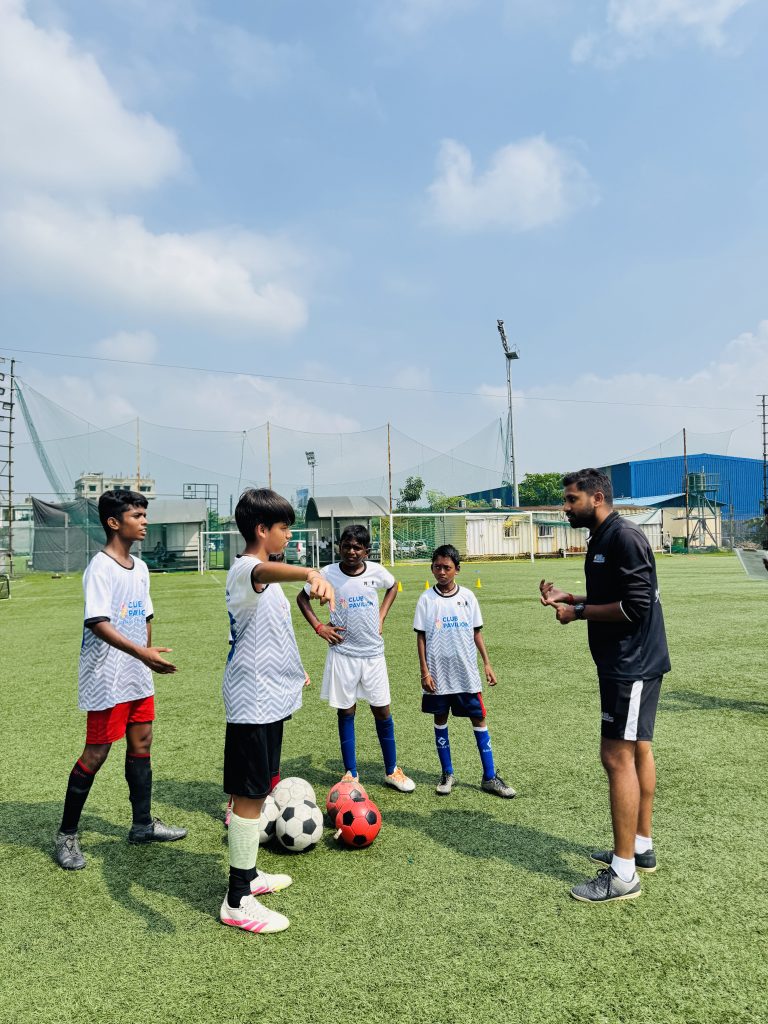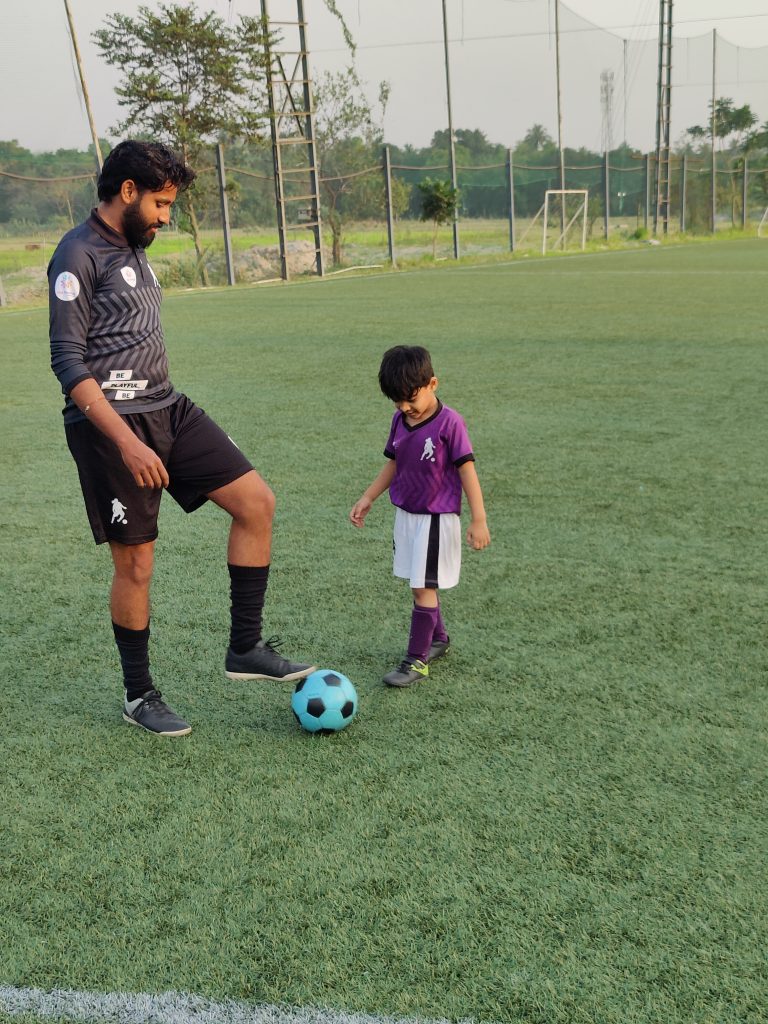

Trust is the backbone of effective team play in football. When players trust each other, the game flows better, decisions become quicker, and confidence grows across the entire team. Building trust doesn’t happen overnight — it comes from consistent actions, communication, and shared responsibility. Here’s how players can develop strong trust on the pitch.
1. Communicate Clearly and Consistently
Good communication builds confidence. Calling for passes, giving quick instructions, and motivating teammates help everyone stay aligned. Players who talk openly during matches become reliable partners on the field.
2. Play Simple, Smart Football
Trust grows when teammates see that you make good decisions. Keeping possession, playing clean passes, and avoiding forced risks show that you can be depended upon during pressure moments.
3. Support Each Other in Tough Situations
Whether covering for a teammate’s mistake or offering encouragement after a missed chance, support creates a positive atmosphere. Teammates trust players who stay calm and helpful under pressure.
4. Be Consistent in Attitude and Effort
Effort matters as much as skill. Running hard, pressing with intensity, and staying focused show commitment. Consistency helps teammates know what to expect from you every match.
5. Respect Roles and Responsibilities
Football works best when each player understands their job. Trust builds when teammates honor their roles — defenders defend, midfielders transition, attackers create chances — while helping each other when needed.
6. Build Chemistry Through Training
Training sessions help players learn each other’s strengths, weaknesses, and preferred playing styles. The more time spent practicing together, the more natural the on-field connection becomes.
7. Stay Positive and Keep Emotions in Control
Positive body language, calm reactions, and constructive feedback make players feel comfortable around you. Teams trust players who lift energy, not lower it.
In short, trust is built through communication, consistency, support, and shared understanding. When players rely on each other both emotionally and technically, the team performs with unity, confidence, and purpose.