
Football is often called the “beautiful game” because it gives every child, regardless of background, a chance to dream big. But turning that dream into a professional career is a journey that requires talent, discipline, and the right guidance. Here’s a step-by-step look at how a young player can progress from grassroots football to the professional leagues.
1. Starting with Grassroots Football
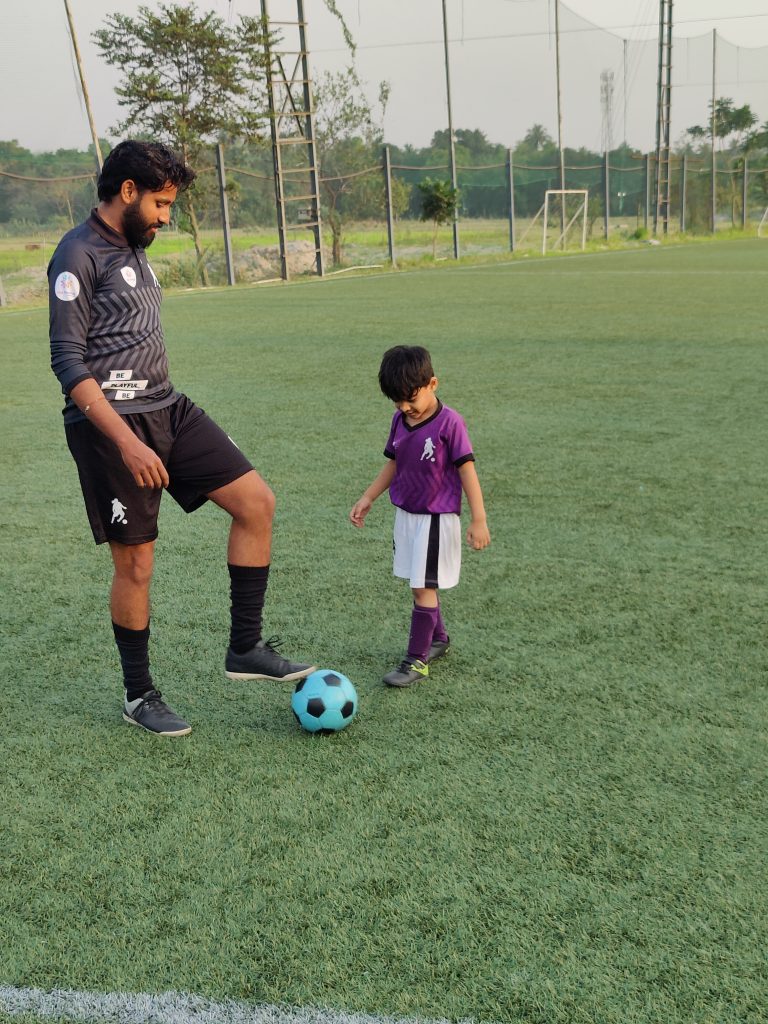
The foundation begins at the grassroots level — school teams, local clubs, and community academies. At this stage, the focus is on developing a love for the game, learning the basic skills of dribbling, passing, shooting, and understanding teamwork. Grassroots football is less about results and more about building confidence, discipline, and technical ability.
2. Joining a Football Academy
The next step for promising players is to enter a structured football academy. Academies provide professional coaching, fitness training, and regular competition against other talented players. In India, academies such as R10, Reliance Foundation Young Champs, or state-level centers of excellence play a key role. This is where players are introduced to tactical awareness, position-specific training, and nutrition — all essential to move closer to professional standards.
3. Playing in Youth Leagues and Tournaments
Participation in youth leagues like the I-League U13, U15, and U18 divisions or regional/state tournaments is crucial. These competitions give players exposure to scouts, coaches, and selectors. Regular match experience at this stage helps young footballers adapt to different playing styles and handle pressure situations — traits that define professional players later.
4. Scouting and Talent Identification
Scouts from professional clubs and leagues constantly monitor youth competitions. A player who consistently performs well stands a good chance of being invited to trials. Showcasing not only skill but also discipline, teamwork, and a strong work ethic can increase the likelihood of being noticed.
5. Transition to Semi-Professional Clubs
Before reaching the top leagues, many players first get opportunities in semi-professional clubs or state teams. Playing at this level bridges the gap between youth and senior football. It exposes players to a higher intensity of competition, physical challenges, and the professional environment of regular training and fixtures.
6. Breaking into Professional Leagues
With dedication and consistent performance, players can earn contracts with professional clubs in leagues such as the I-League or Indian Super League (ISL). This stage demands peak fitness, mental toughness, and the ability to handle the pressures of media, fans, and high-stakes competition.
7. Continuous Development
Even after breaking into the professional scene, the journey doesn’t stop. Footballers must keep improving their skills, adapting to different coaches’ styles, and learning from international exposure. Longevity in the sport depends on discipline, injury management, and the hunger to keep evolving.
Final Word
The pathway from grassroots football to professional leagues is not easy, but it is achievable with hard work, resilience, and the right support system. For young dreamers, every training session, every match, and every opportunity is a stepping stone toward a professional career.