Fast bowling is one of the most physically demanding roles in cricket. It requires a blend of speed, strength, stamina, and technique. To perform consistently and avoid injuries, fast bowlers must follow a well-rounded fitness routine. Here are some of the best fitness drills to enhance performance:
1. Sprint Intervals
Fast bowlers need explosive speed, especially during their run-up. Sprint interval training—short bursts of sprints followed by rest—improves acceleration and endurance. A simple drill is 10 sets of 30-meter sprints with 30 seconds rest in between.
2. Core Strength Workouts
A strong core helps maintain balance and transfer power efficiently during delivery. Planks, Russian twists, and leg raises are excellent exercises. Medicine ball throws can also simulate bowling actions while strengthening the core.
3. Resistance Band Drills
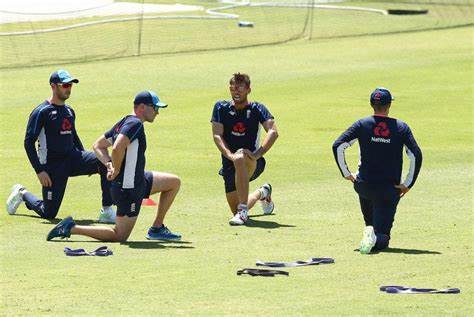
Resistance bands are great for improving shoulder stability and strengthening the rotator cuff. Try external rotations and band pull-aparts to reduce the risk of shoulder injuries and improve bowling control.
4. Plyometric Exercises
Jump squats, box jumps, and bounding drills increase lower-body power, which is essential for the delivery stride and follow-through. These exercises enhance the explosive strength required for quick, efficient movement.
5. Agility Drills
Agility ladders, cone drills, and shuttle runs improve footwork, coordination, and directional change—key for fielding and recovering after delivering a ball.
6. Bowling-Specific Conditioning
Simulate match situations by bowling in sets (e.g., 6-over spells with short breaks), focusing on line, length, and pace. This not only boosts stamina but also conditions the body for real-game intensity.
7. Mobility and Recovery
Stretching, foam rolling, and yoga improve flexibility and help in quicker recovery. Pay special attention to hamstrings, calves, hips, and shoulders to reduce stiffness and maintain range of motion.
Final Tip:
Fast bowlers should always warm up properly before training and cool down afterward. Fitness is a long-term commitment—consistency, proper rest, and listening to your body are just as important as intense training.