
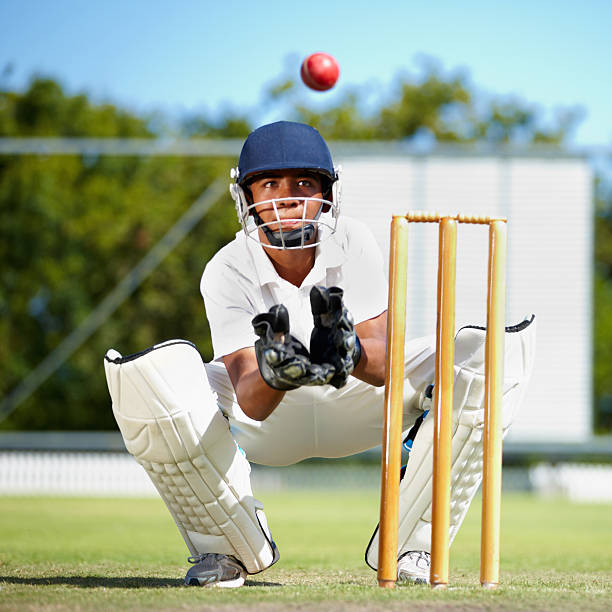
In cricket, the wicketkeeper is often called the “silent backbone” of the team. While batters and bowlers take the spotlight, it’s the keeper’s sharp reflexes and steady hands that can change a match in a split second. Glove work — the art of cleanly collecting, catching, and stumping — requires immense concentration, coordination, and practice. So, how can wicketkeepers sharpen their glove work and take their skills to the next level? Let’s explore.
1. Daily Catching Drills
Consistency is key. Practicing 100–150 catches a day helps improve reaction time and hand stability.
- Drill Idea: Use a tennis ball on a concrete surface to simulate unpredictable bounce.
- Goal: Build reflexes and confidence to handle fast, spinning, or swinging deliveries.
2. Improve Hand-Eye Coordination
A wicketkeeper’s success depends on quick visual judgment.
- Exercise: Juggle two or three balls, or use reaction balls that bounce unpredictably.
- Benefit: Trains your eyes and hands to move in sync — vital for both catches and stumpings.
3. Footwork and Balance Training
Good glove work starts from the ground up. Stable footwork allows quicker movement to either side of the stumps.
- Drill Idea: Practice side-shuffles and quick steps behind the stumps with cones or markers.
- Focus: Stay low, light on your feet, and ready to move instantly.
4. Stumping and Collection Practice
Standing up to spinners is one of the toughest tasks.
- Drill: Work with a spinner or ball feeder to practice takes and stumpings.
- Pro Tip: Keep your eyes level and hands soft — snatching the ball often leads to fumbles.
5. Reaction Training
A keeper often gets a fraction of a second to respond.
- Tool: Use a reaction board or a wall rebound drill where the ball comes back at different angles.
- Result: Faster reflexes and cleaner takes.
6. Match Simulation Sessions
Real-time experience is irreplaceable. Practicing under pressure — with bowlers and fielders in place — helps develop match awareness and anticipation.
Conclusion
Sharpening glove work isn’t just about catching — it’s about anticipation, movement, and composure. With daily drills, strong coordination, and match-like practice, wicketkeepers can elevate their game and become the reliable last line of defense their team depends on.