Cricket has come a long way from its traditional whites and five-day matches. Today, it’s a dynamic sport played across formats—from the grind of Test cricket to the adrenaline rush of T20s. But how did we get here?
A Game of Legacy
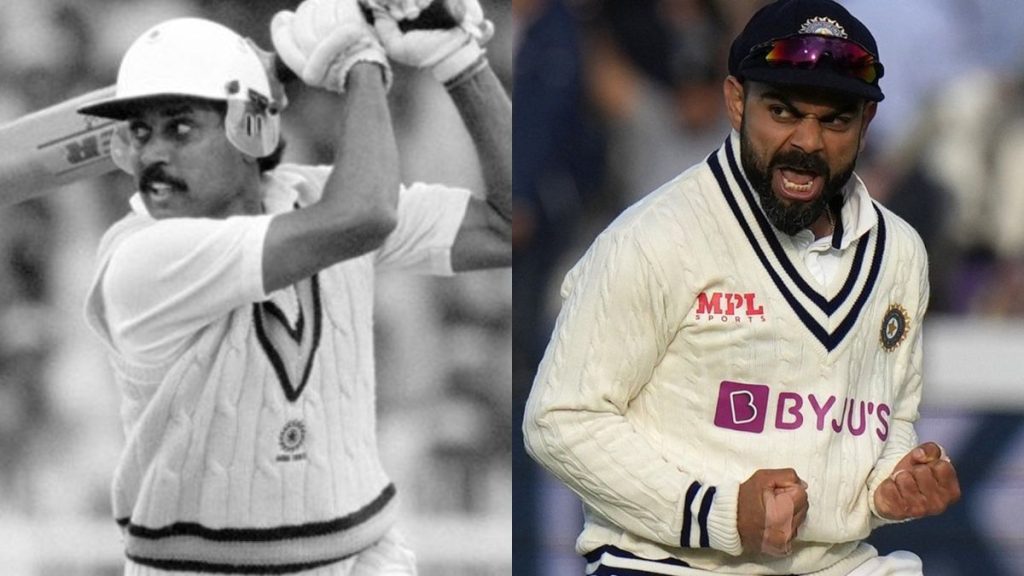
Cricket’s roots trace back to the 16th century in England. What began as a leisurely village game turned into an international sport with legendary rivalries and global fanfare. The Test format, introduced in 1877, remains the ultimate test of skill, patience, and endurance.
The Rise of Limited Overs
In the 1970s, One-Day Internationals (ODIs) brought a new spark to the game. Colored jerseys, white balls, and under-the-lights matches made cricket more accessible and entertaining. The World Cup became a spectacle, and players like Kapil Dev, Wasim Akram, and Ricky Ponting ruled the stage.
T20 Cricket: The Game-Changer
With the launch of T20 cricket in the early 2000s and the advent of leagues like the IPL, BBL, and The Hundred, the sport has evolved into a fast-paced entertainment package. Explosive batting, innovative shots, electric fielding, and nail-biting finishes have attracted a new generation of fans.
Training for the Modern Game
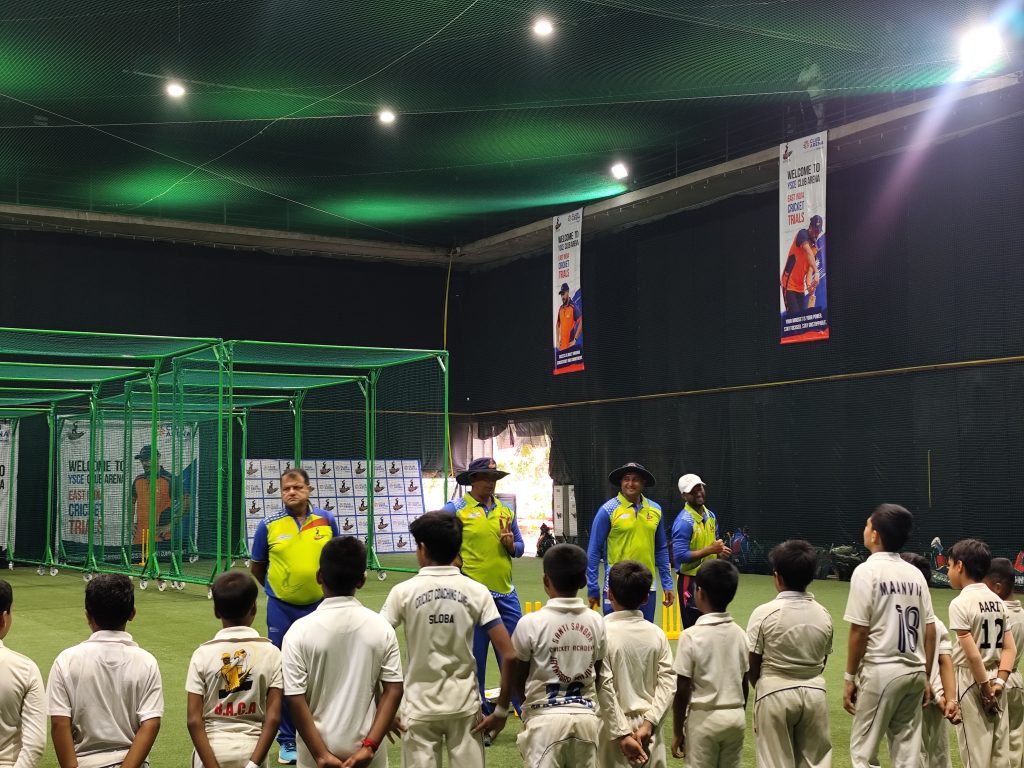
Modern cricketers are not just technically sound—they’re supremely fit, mentally tough, and tactically sharp. Fitness, strength training, recovery, and data analytics now play a major role in player development. Coaches emphasize agility, reaction time, and adaptability across formats.
Cricket Today: A Global Phenomenon
Cricket has expanded beyond traditional powerhouses. Countries like Afghanistan, Ireland, and the USA are making their mark. Women’s cricket is growing rapidly, with increased visibility, professionalism, and fan support.
Final Thoughts
Cricket today is more than just a game—it’s a career, a passion, and for millions, a way of life. Whether you’re a budding cricketer, an aspiring coach, or a lifelong fan, one thing is certain: cricket’s future is as exciting as its glorious past.